The Thrill of the Numbers: Chotu Taj, the Satta King Game
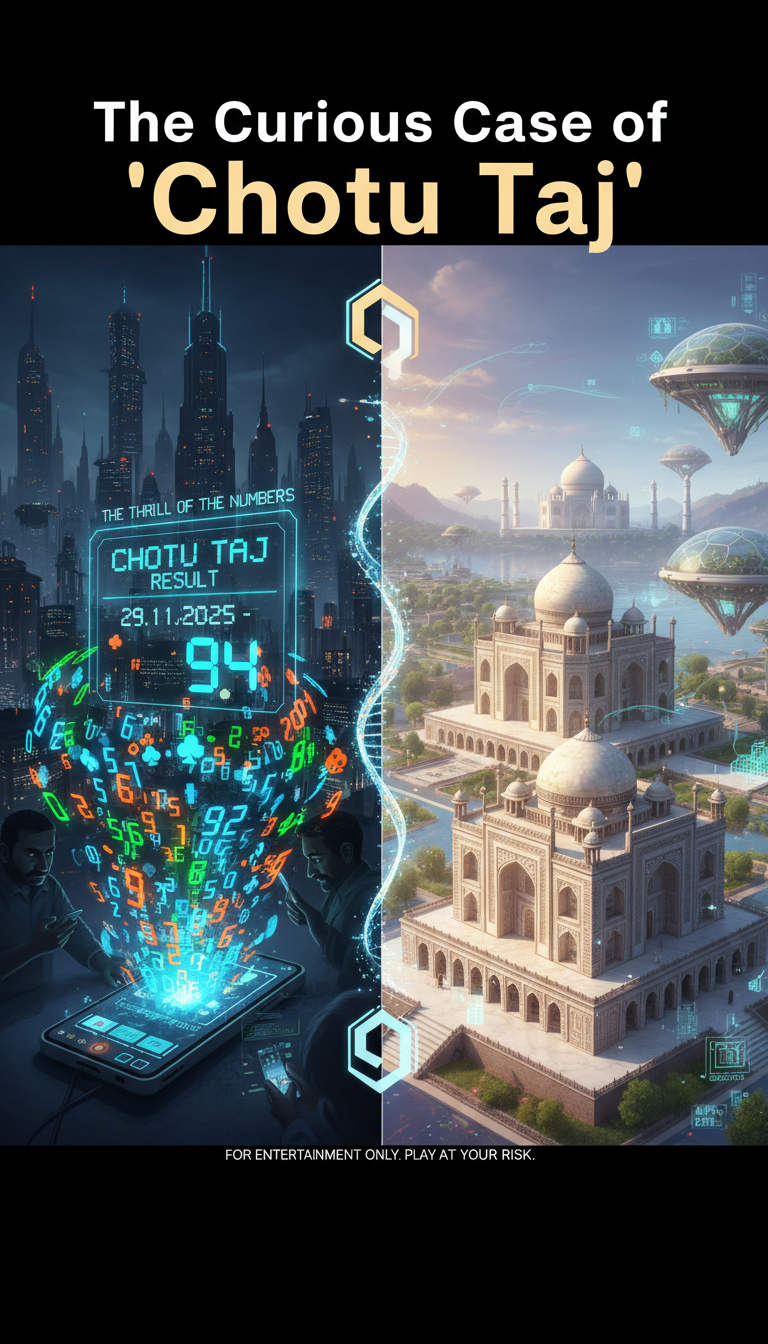
The “Chotu Taj result Imagine a localized lottery, a daily ritual of number prediction humming away in certain pockets of India. This is the world of “Satta King,” and “Chotu Taj” is one of its many regional dialects. The premise is simple, or perhaps deceptively so: players select numbers, hoping they match the digits drawn at a specific time. The “Chotu Taj result” becomes a momentary obsession, a potential key to unlocking fortune. Just yesterday, November 29th, 2025, the number 94 echoed through the digital spaces where Chotu Taj is discussed, alongside the outcomes of other Satta King variants like Desawar and Gali.
The broader “Satta Matka” game, from which Chotu Taj springs, carries a certain historical weight. It whispers of pre-Independence India, a time when entertainment and the dream of quick riches were particularly potent forces. While pinpointing the exact genesis of Chotu Taj within this sprawling landscape proves elusive, its connection to this long-standing, often underground, tradition is undeniable.
Playing with Fire: The Controversial Side of Satta King
The siren song of quick money is alluring, but it often leads to treacherous waters. While some see Satta King as a harmless flutter, for many it represents a dangerous gamble. It exists in a legal twilight zone. These games, Chotu Taj included, often skirt the edges of legality, operating in a gray area or falling squarely under gambling prohibitions in many parts of India.
Beyond the legal concerns lie a series of ethical tightropes. The social impact of Satta King is significant, casting a long shadow of addiction and potential financial ruin. The lack of regulation raises persistent questions about fairness. Are these results truly random, or is there manipulation at play? And perhaps most importantly, these games often prey on the vulnerable, offering a false promise of escape from hardship to those who can least afford the risk. It’s telling that websites dutifully posting results often include a stark disclaimer: “For entertainment purposes only, play at your own risk!” The warning hints at the precarious landscape these games occupy.
From Numbers to Niche: The “Mini Taj Mahals” of India
Here’s where the story takes an unexpected turn. The term “Chotu Taj” isn’t confined to the world of number games. It also serves as a colloquial term for several historical structures across India, often referred to as “Baby Taj” or “Mini Taj Mahal.” Each of these structures carries its own unique history and architectural significance.
Consider the Tomb of Itimad-ud-Daulah in Agra, often hailed as the original “Baby Taj.” Built before the Taj Mahal itself, this mausoleum is a delicate “jewel box” crafted from pristine white marble. It served as an architectural trailblazer, introducing the intricate pietra dura inlay work that would later become a hallmark of the Taj Mahal. It also marked a pivotal shift from the use of red sandstone to white marble in Mughal architecture, a profound influence on what was to follow.
Then there’s Bibi Ka Maqbara in Aurangabad, the “Taj of the Deccan.” Commissioned by Prince Azam Shah, son of Emperor Aurangzeb, as a tribute to his mother, it’s often dubbed the “poor man’s Taj Mahal” due to its similar, yet less extravagant, design. But it possesses its own distinct charm and stands as a significant historical monument in its own right, a testament to filial devotion and architectural ambition.
The inspiration continues to this day! From Anand Prakash Chouksey’s house in Burhanpur to a king’s memorial in Karkari Village, these heartfelt replicas keep the “mini Taj” legacy alive, demonstrating the enduring power of the Taj Mahal as a symbol of love and architectural perfection.
The Future: Daily Draws or Enduring Legacies?
What does the future hold for these two very different “Chotu Tajes”? For the Satta King game, the cycle continues: daily draws, fleeting wins, and the persistent allure of easy money. There are no widespread reports of significant regulatory changes, suggesting a continuation of its largely unregulated existence.
The architectural “Chotu Tajes,” on the other hand, face a different future. Their future lies in preservation, in attracting tourists to marvel at their beauty, and in continuing to serve as symbols of history, love, and the enduring power of human craftsmanship.
Conclusion: Two Worlds, One Name
Who would have guessed that a simple search for “Chotu Taj result” could lead to such a fascinating crossroads? This seemingly innocuous phrase serves as a vibrant example of how a single name can represent wildly different realities within India’s rich tapestry. From the high-stakes, often clandestine world of underground gambling to the timeless beauty of historical architecture, the name “Chotu Taj” carries a surprising amount of weight. So, the next time you hear the phrase, pause and consider: are we chasing fleeting numbers, or are we admiring the enduring beauty of marble? Either way, life is anything but dull.